The More You Lead, the More You Need to Learn
|
Welcome to the Mellow Madness update, a space for thinking out loud about strategy, leadership, and the lessons business sometimes teaches us when we least expect them.
Last week, I found myself back in a classroom. Not because I had suddenly changed careers, and not because I had forgotten everything I know about business, branding, strategy or leadership. I was there because there is one lesson I am becoming increasingly convinced of: the more responsibility you carry, the more deliberate you have to become about learning.
Leadership has an interesting way of exposing your gaps. You can become very good at your craft, build teams, advise organisations, lead projects and accumulate years of experience, and then one new challenge arrives and reminds you that experience is not the same thing as knowing everything. In fact, the more you lead, the more you begin to realise just how much there still is to understand.
For me, one of those areas is funding. As I work more closely with organisations, social-impact projects, creatives and communities, I increasingly find myself thinking about a question that many African organisations face: how do good ideas find the resources they need to survive, grow and create meaningful impact? So last week, I attended a proposal writing and grant application workshop.
I wanted to understand the world from the other side of the table. How do donors think? What are they actually looking for? Why do some strong ideas receive funding while others do not? What makes an organisation fundable before it even begins writing an application? And perhaps most importantly, how can I learn this well enough to eventually teach it to others?
That final question matters to me. I increasingly believe that knowledge becomes more valuable when it travels. If I learn how funding systems work, the goal cannot simply be to write better proposals for the organisations I work with. The bigger opportunity is to help more African entrepreneurs, creatives and organisations understand how to position their ideas, structure their projects and communicate their value.
One of the first things that stood out from the workshop was that fundraising is much bigger than asking someone for money. It is part of what is better described as resource mobilisation. Money matters, of course, but organisations also need people, skills, partnerships, technology, venues, networks, knowledge and sometimes in-kind support. A free venue, donated equipment, professional expertise or access to the right network can be as valuable as cash at a particular stage of a project.
That distinction changes the question completely. Instead of asking, “Where can I get money?” a leader begins asking, “What resources are necessary to make this mission possible, and where might those resources come from?” That is a far more strategic question.
Another lesson was almost embarrassingly simple: read. Read the funding call. Read it again. Read the eligibility criteria. Read the objectives. Read the scoring criteria. Read the questions carefully. And then read your own application as if you were the person deciding whether to fund it.
|
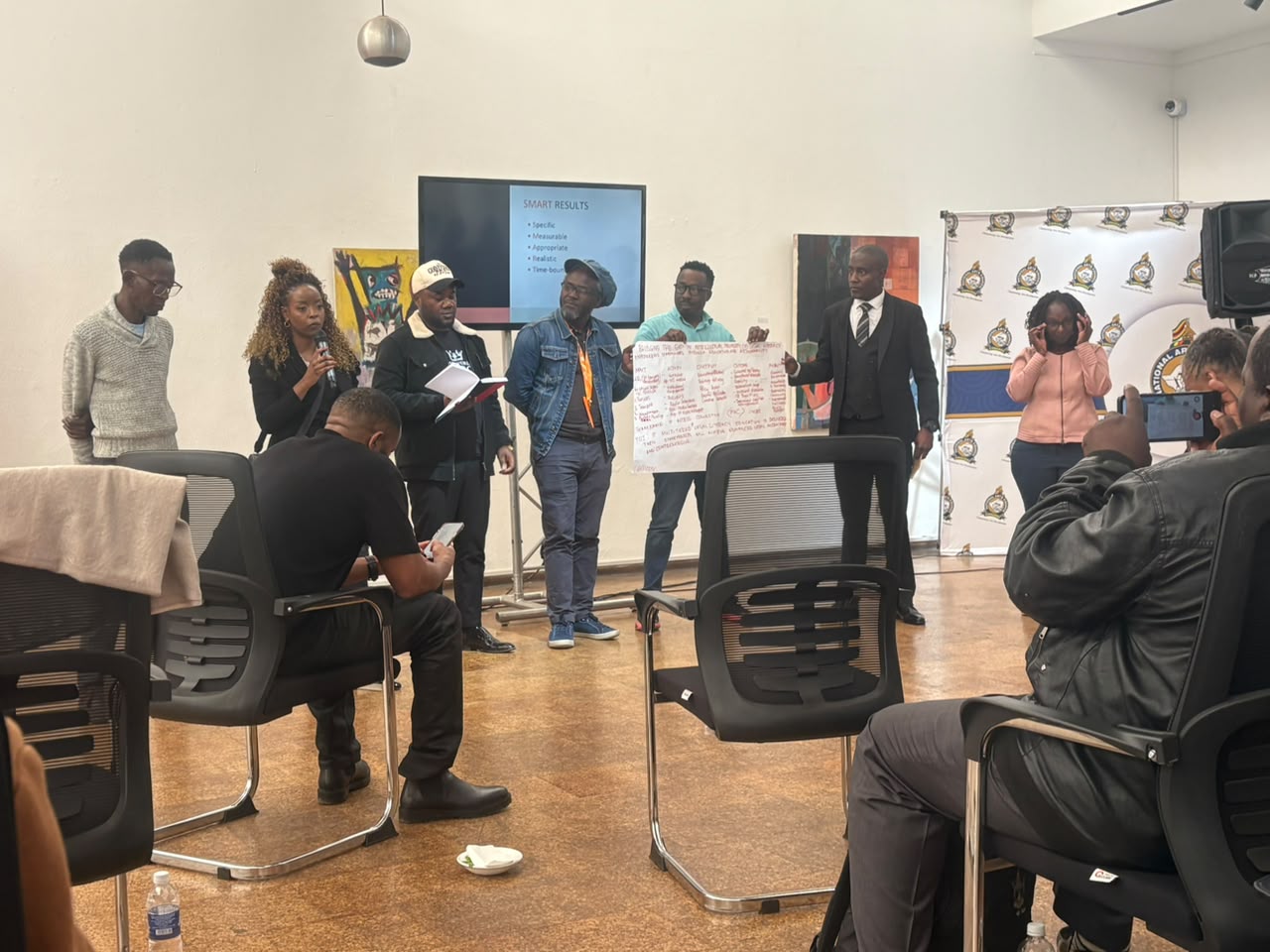 |
Before writing anything, applicants need to understand the funder’s purpose, priorities, eligibility rules, geographic scope, funding limits, co-funding requirements, eligible costs, timelines, required documents, reporting obligations and assessment criteria. That may sound administrative, but it is actually strategic.
A grant application is not primarily an exercise in beautiful writing. It is an exercise in alignment. You may have a brilliant project, but if it does not solve the problem the donor is trying to solve, you are effectively answering a question that nobody asked.
This became even clearer when we looked at real funding opportunities. Some funders assess relevance, artistic quality, feasibility and potential impact. Others look at dissemination strategy, technical and financial feasibility, partnerships, visibility, professional development and access to new audiences. Different funders are looking for different things, which means there may be no such thing as a universally “winning proposal.” There is only a strong proposal for that particular opportunity.
Something else stayed with me from the workshop: there is no grant without a project and an application. That sounds obvious, but many organisations begin with the money. They see a grant and immediately try to invent something that fits it.
Strong proposals usually begin much earlier. What problem are you trying to solve? Who experiences that problem? What change are you trying to create? What activities will help create that change? What will those activities produce? And how will you know whether anything actually changed?
In grant language, that often becomes a chain from inputs to activities, outputs, outcomes and ultimately impact. The important lesson is that funders are not simply paying for activity. They want to understand the logic that connects the activity to the result.
“We will train 100 young people” is an activity. The more important question is what changed because those young people were trained. Did their skills improve? Did employment increase? Did businesses emerge? Did incomes grow? Did the community become stronger? The activity is rarely the destination.
I also came away understanding that donors are not only evaluating the project. They are evaluating the organisation behind it. They are looking at things like registration, governance, financial systems, track record, reporting, policies, leadership capacity, project quality, monitoring and sustainability.
That fascinated me because it makes funding a leadership issue, not just a writing issue.
|
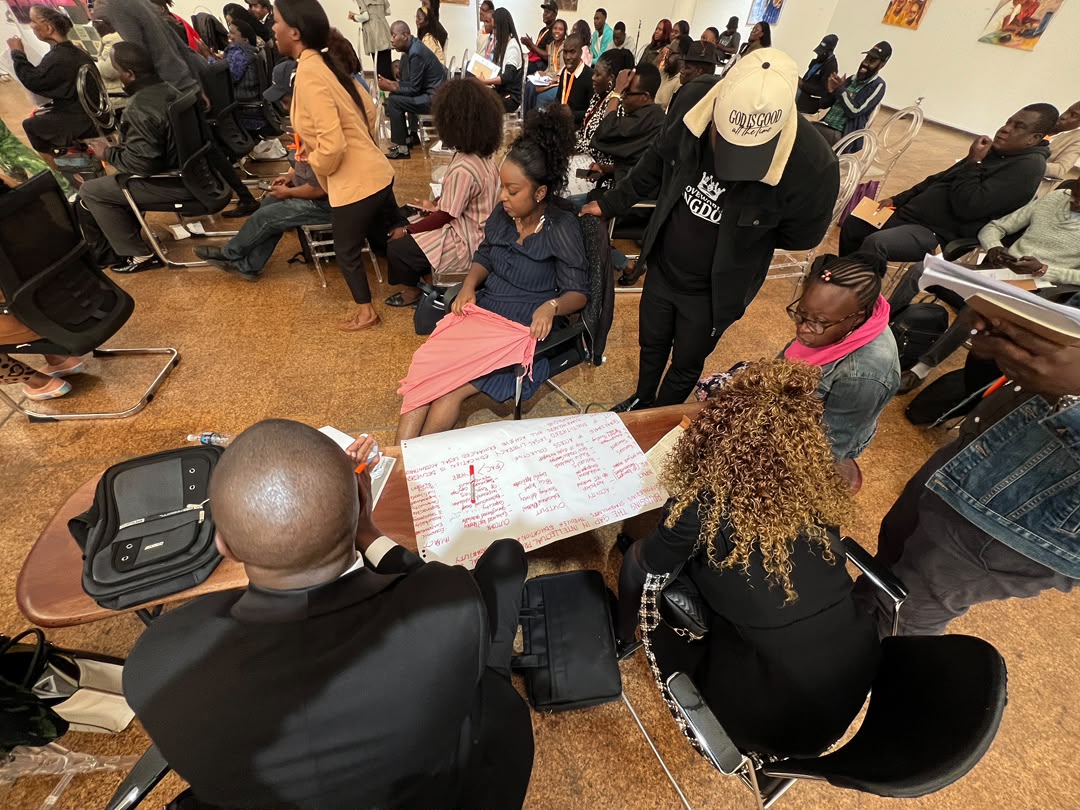 |
Sometimes the best way to improve your next grant application is not to improve your writing. It is to improve your organisation. Good governance makes the application stronger. Good financial systems make the application stronger. Evidence of previous results makes the application stronger. Clear strategy makes the application stronger. Strong partnerships make the application stronger.
Long before a proposal is submitted, leadership has already been shaping how believable that proposal will be.
Even the budget tells a story. A budget forces the idea to become real. How many people are involved? What will they cost? What equipment is needed? What activities are actually being delivered? What will administration cost?
The deeper lesson for me was that your budget is another version of your strategy. If the proposal says one thing and the budget says another, the weakness becomes visible very quickly.
I am nowhere near finished learning this, and that is precisely the point. The older I get and the more responsibility I take on, the less interested I am in pretending to know everything. I would rather enter the room, sit down, take notes, ask questions and improve.
Because leadership is not the point at which learning stops. It is the point at which learning becomes more consequential.
What I understand today can eventually help an organisation raise funding, help a creative take an idea into the world, help a community project survive another year, or help someone avoid mistakes that might otherwise cost them an opportunity.
So I am learning. Grant writing today. Something else tomorrow. And next year, I want to begin packaging some of these lessons into practical downloadable resources for entrepreneurs, creatives and organisations across Africa. Not complicated theory, but useful tools around funding, strategy, partnerships, branding, project development and growth.
Consider this a small preview.
Because perhaps one of the responsibilities of leadership is not simply to keep learning. It is to turn what you learn into ladders other people can climb.
Thank you for reading.
Warm regards,
|
|
|
If someone forwarded this note to you and you’d like to receive future issues, you can subscribe here:
|
|
|
|
|
|
|

